Financial Literacy Learning Management System Build
Client: Global Non-Profit Organization
Role: UX Design Lead
Collaborators: Technical Lead, WordPress/Moodle Developers, Third-Party Vendors, and Global CEO/Board Executives.
Objective
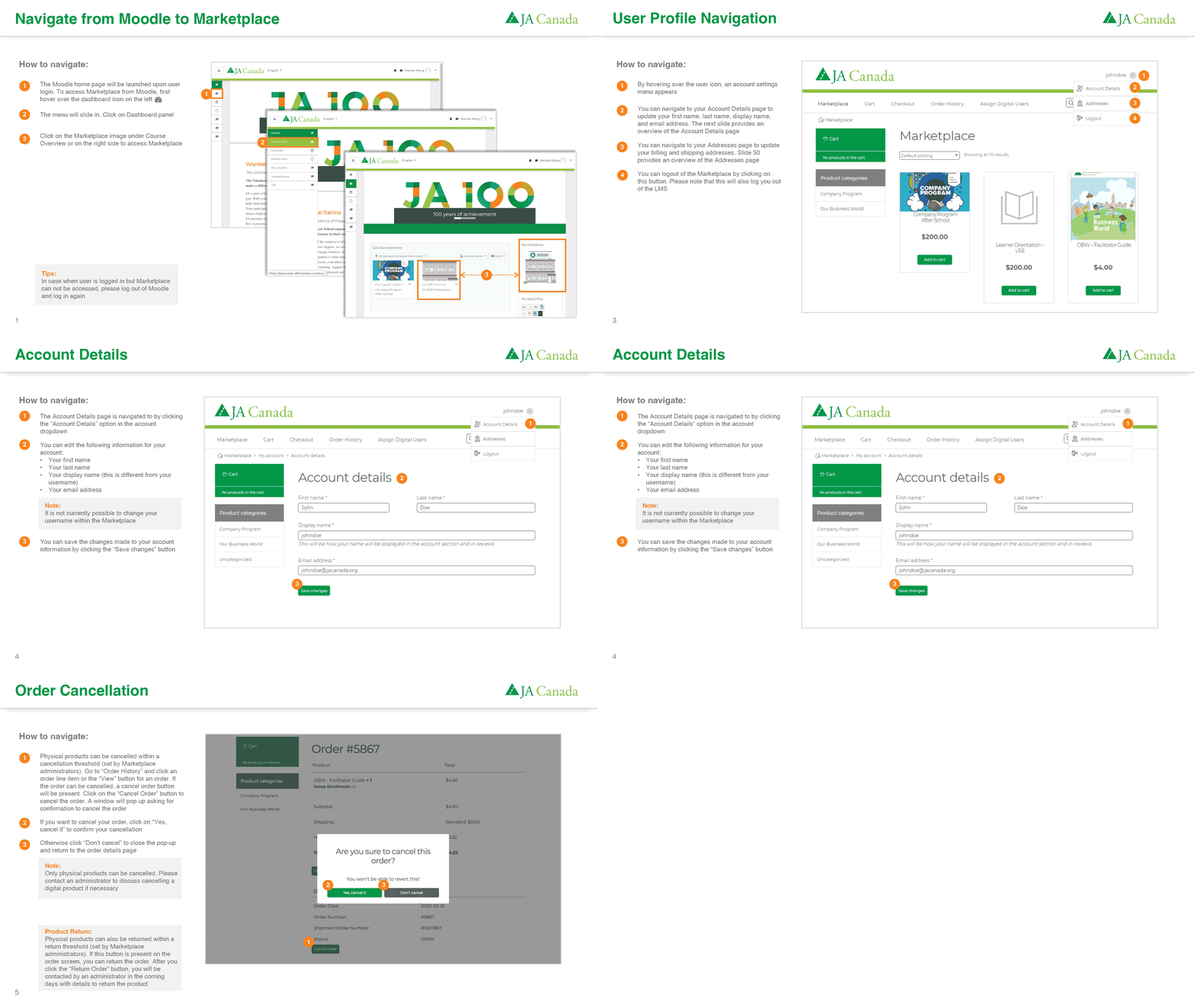
A global non-profit needed to replace a fragmented legacy learning system and an e-commerce site into a single, integrated platform. The project required merging Moodle (LMS) and WordPress/WooCommerce into a seamless experience while maximizing out-of-the-box features.
The Design Process & Delivery
I led the design stream, focusing on feature consolidation and technical alignment between three disparate systems.
Solution Architecture Mapping: My team defined three tiers of admin levels via Persona Canvases and Screenflows. These artifacts guided the technical team in unifying the architecture across WordPress and Moodle.
Stakeholder Alignment: We conducted workshops with regional chapters and finance teams to ensure the end-to-end workflow met both operational and financial requirements.
Executive Alignment: I regularly engaged the CEO and board to ensure the platform aligned with the organization's long-term digital transformation goals.
Brand Consistency: Because the platform spanned two systems, I directed development teams on UI consistency — ensuring users experienced a seamless visual and interaction language regardless of which system they were in.
Outcome
The result was a user-friendly, integrated platform that proved vital during the COVID-19 pandemic. The system allowed the organization to pivot rapidly from in-person workshops to remote learning, driving massive adoption during a critical period.
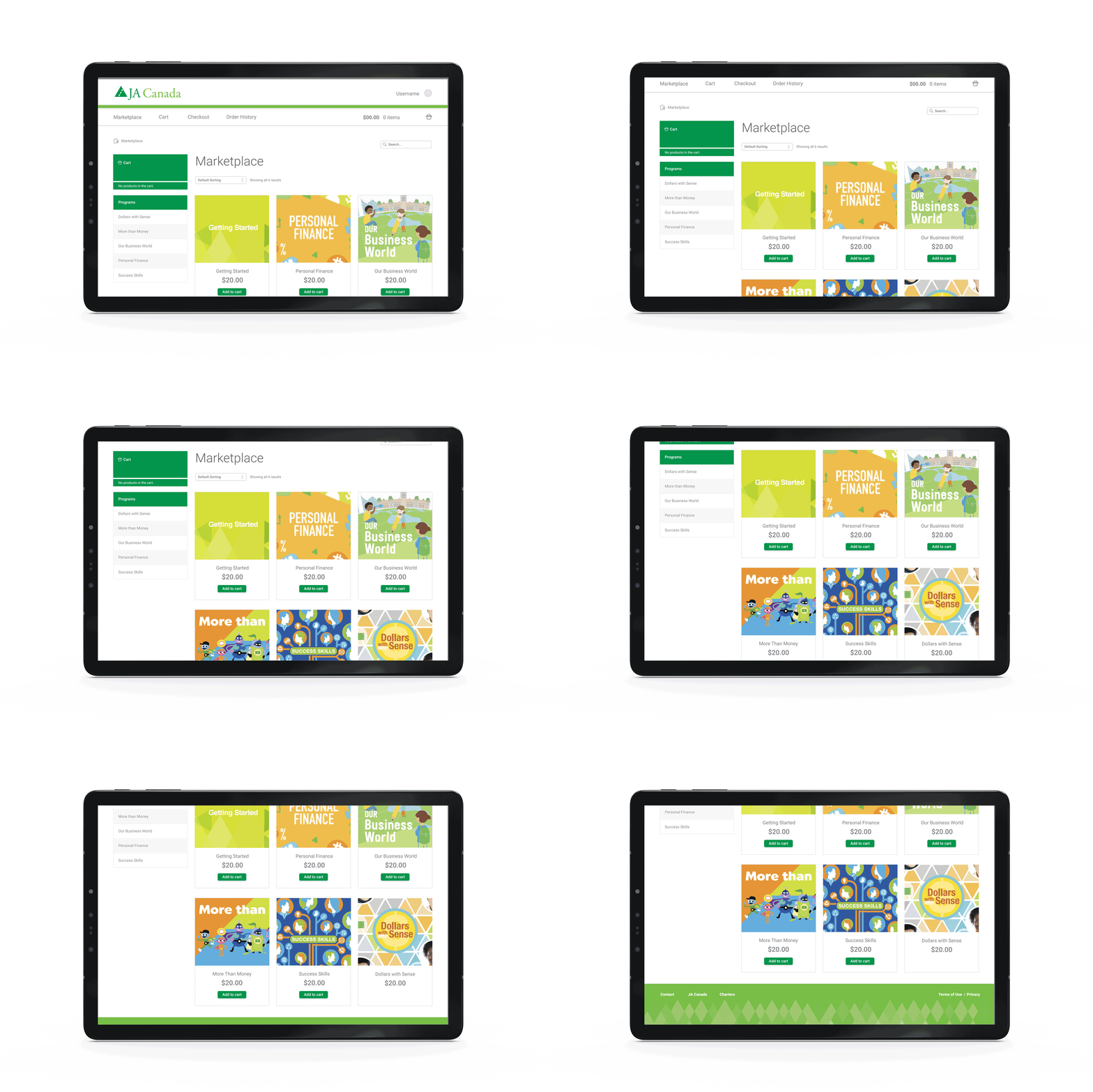
Integrating WordPress and Moodle required a UI that eliminated friction at every transition point. My team applied a consistent visual and interaction language across both systems — so users experienced one platform, not two.
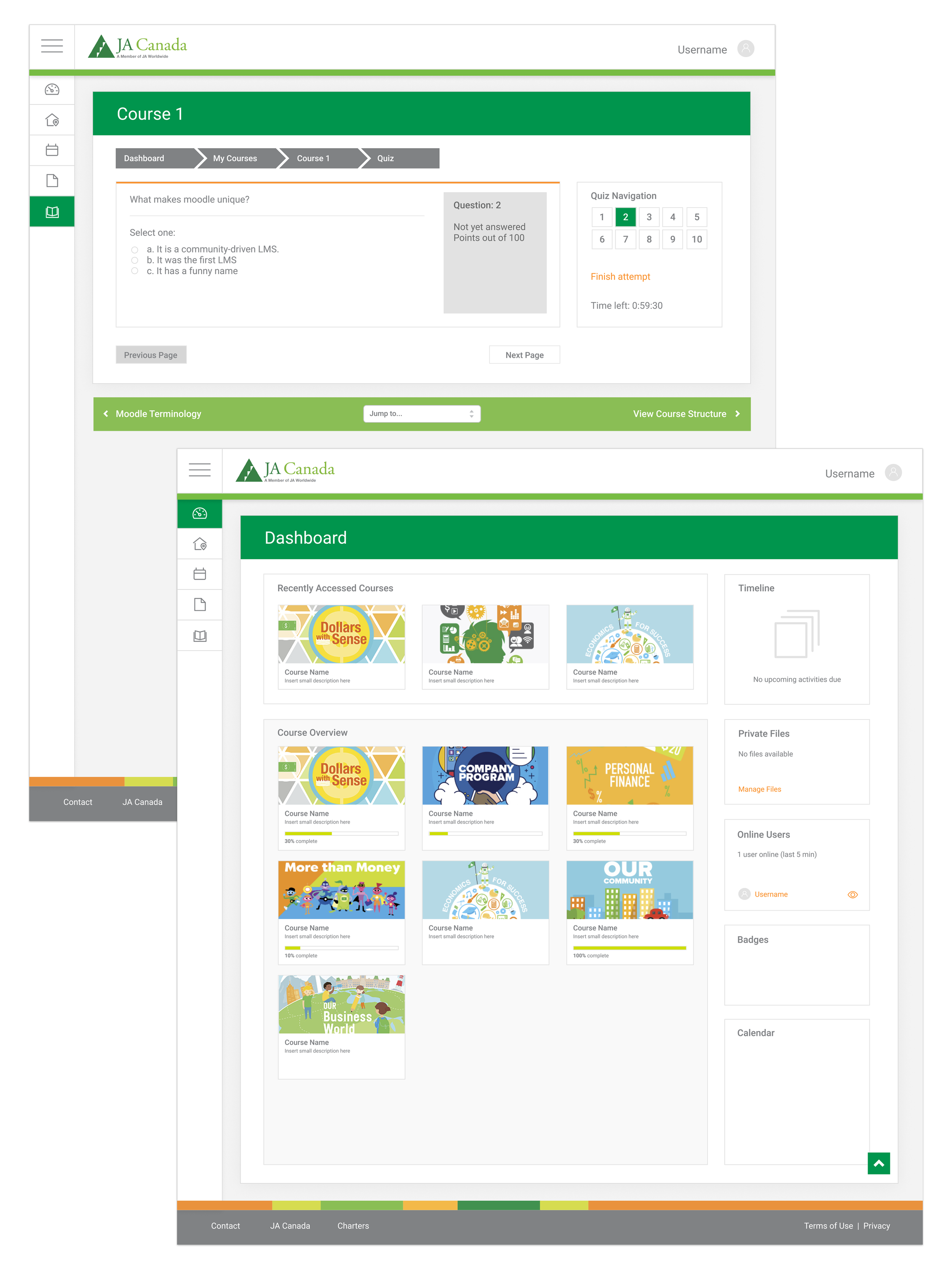
All UI components — navigation, form fields, filters, and buttons — designed, documented, and validated with product owners before development.
Iterative wireframes developed and tested across user roles before development hand-off.

A Digital Campus concept prototype created for the global conference — articulating the organization's vision for a scalable, long-term digital learning framework.
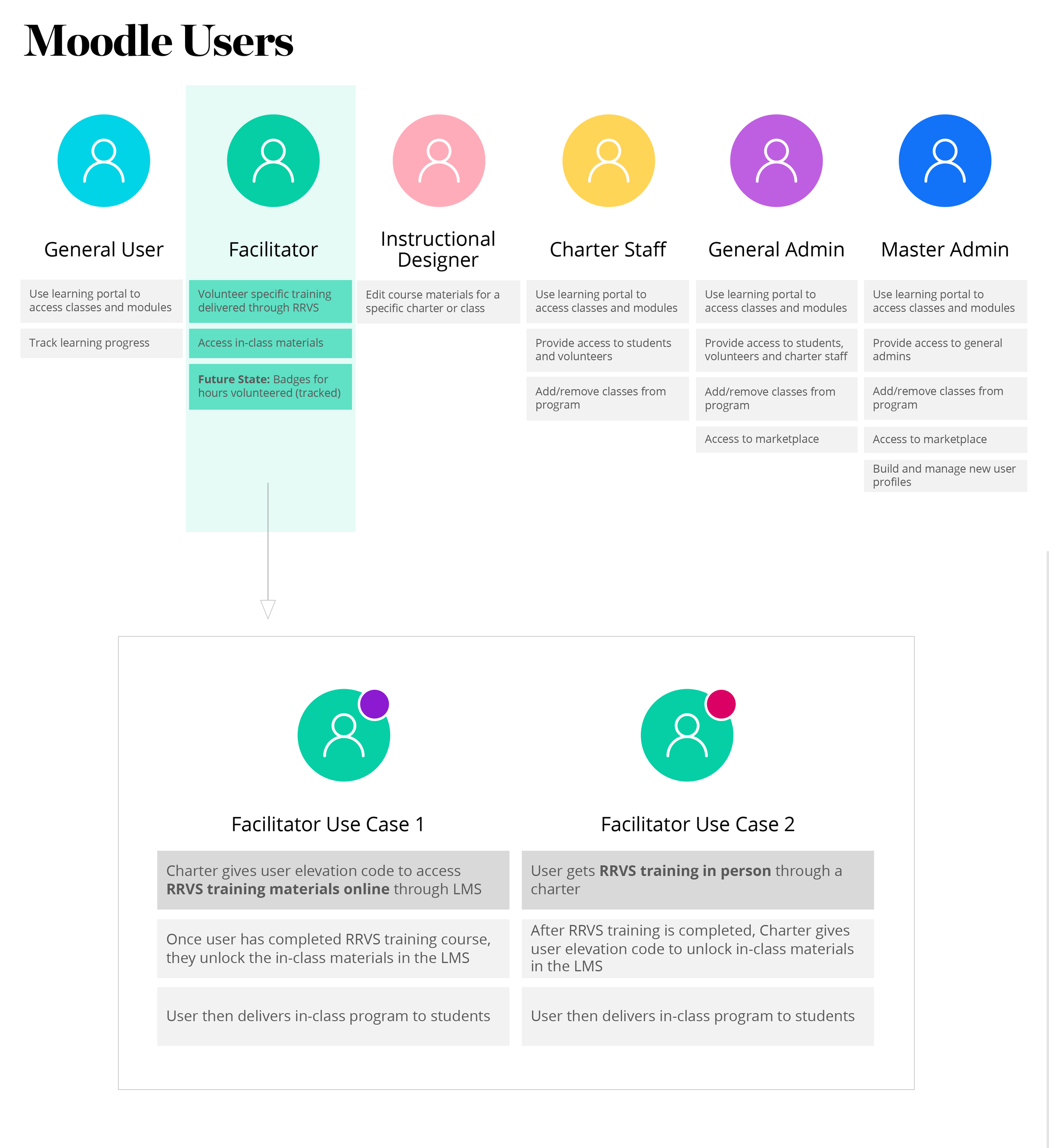
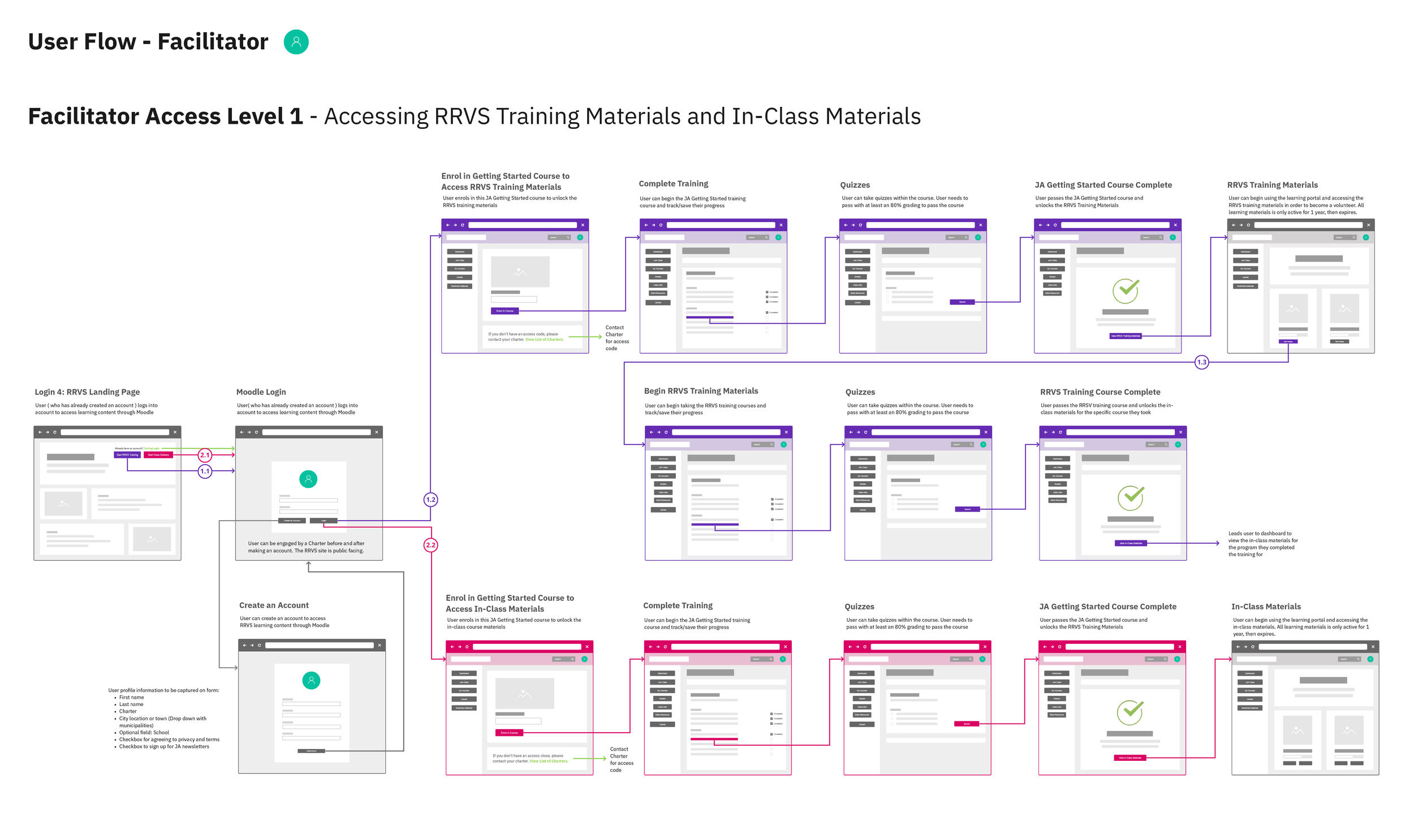
Multiple internal and external user personas identified, each requiring distinct access levels. Detailed flows mapped and validated with product owners to ensure role-appropriate experiences.